

The moment we all knew would come is here – sniff. After a little over three years, XReco has officially reached its final chapter. And it’s time to say goodbye. As the project comes to a close, we reminisce and summarize our results for you as concisely as possible.
How It Started
We originally started way back in September 2022, with the vision of democratizing the creation of 3D assets and XR experiences. We have always been big in terms of numbers: our consortium consists of 20 partners from 12 countries. Through close collaboration, innovative ideas, and technical development, we have created a B2B platform where users can search for assets and create 3D models and XR experiences using 2D images and video footage with a set of authoring tools.
We are particularly proud that we made this possible for pretty much everyone. You don’t need to be a 3D expert or a design genius to use our tools. In fact, you don’t even need to install software for most of it. Just use the tools on the XReco platform to create, manage and share your 3D and XR content.
Over 80 people tested our platform and provided invaluable, mostly positive feedback. Where they did not like it, the tech partners of the consortium worked until the last minute to improve it.
How It’s Going
Fortunately, our hard work will be built on by others in the future. For instance, one of the results of the 3D capture and transmission pipeline for humans led to a patent that will support newly founded startup Volum. The patent is based on the point cloud compression in i2CAT’s Holoportation System. How further XReco components can be integrated in other places and platforms is currently being evaluated.
Unfortunately, beyond the collaborations mentioned above, there is currently no public version of our platform. Partners keep an offline version ready for local demonstrations, and negotiations and explorations are ongoing. However, as long as revenue is unclear and the market focuses on optimizing traditional media production, rather than investing in the future of virtual worlds, triggered by the recent hype surrounding AI, there won’t be a public platform.
The Many Merits Of Our Use Cases
Nevertheless, we achieved a great deal. Holoported humans? Did it. 3D models of buildings that no longer exist? Did that too. Thus, we have proven that XReco tools can be used effectively for immersive journalism. To be more precise, Italy’s Rai and Germany’s Deutsche Welle (DW) have demonstrated that our platform and tools can be incorporated into traditional media production workflows by creating a variety of virtual studio productions. Read about Rai’s immersive 3D production centering Guglielmo Marconi, the pioneer of wireless telegraphy, or our article about reimagining studio spaces in traditional media, for instance. We also encourage you to check out our interactive 3D infographics, developed for use in online articles by Capgemini and DW.
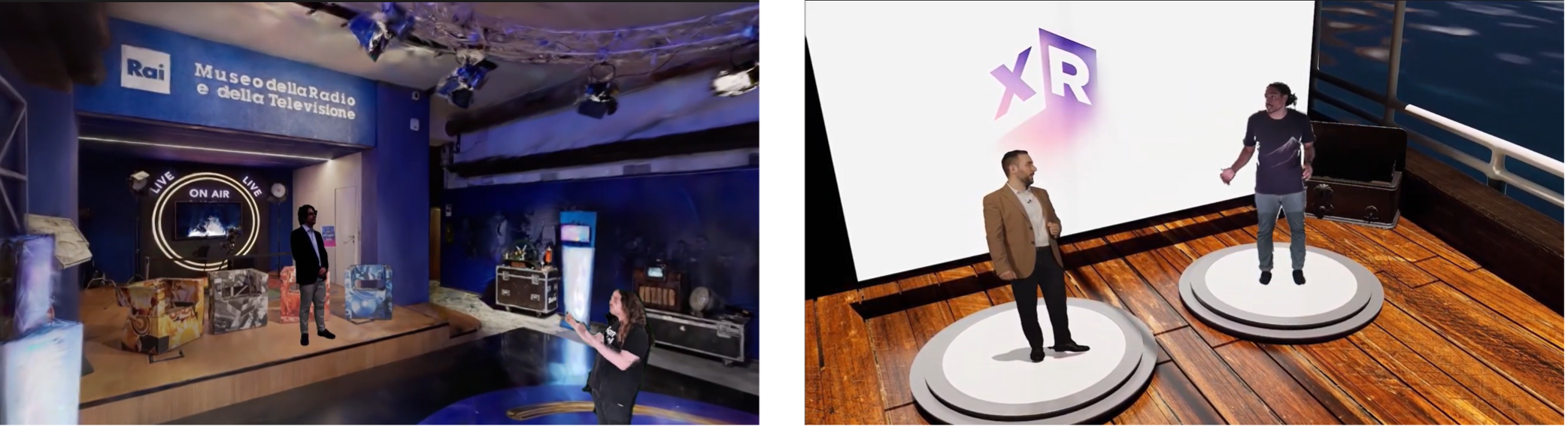
Figures 1 and 2: Examples of the reconstruction, transmission and rendering of humans and real-world environments integrated in immersive XR experiences (Rai’s use case).
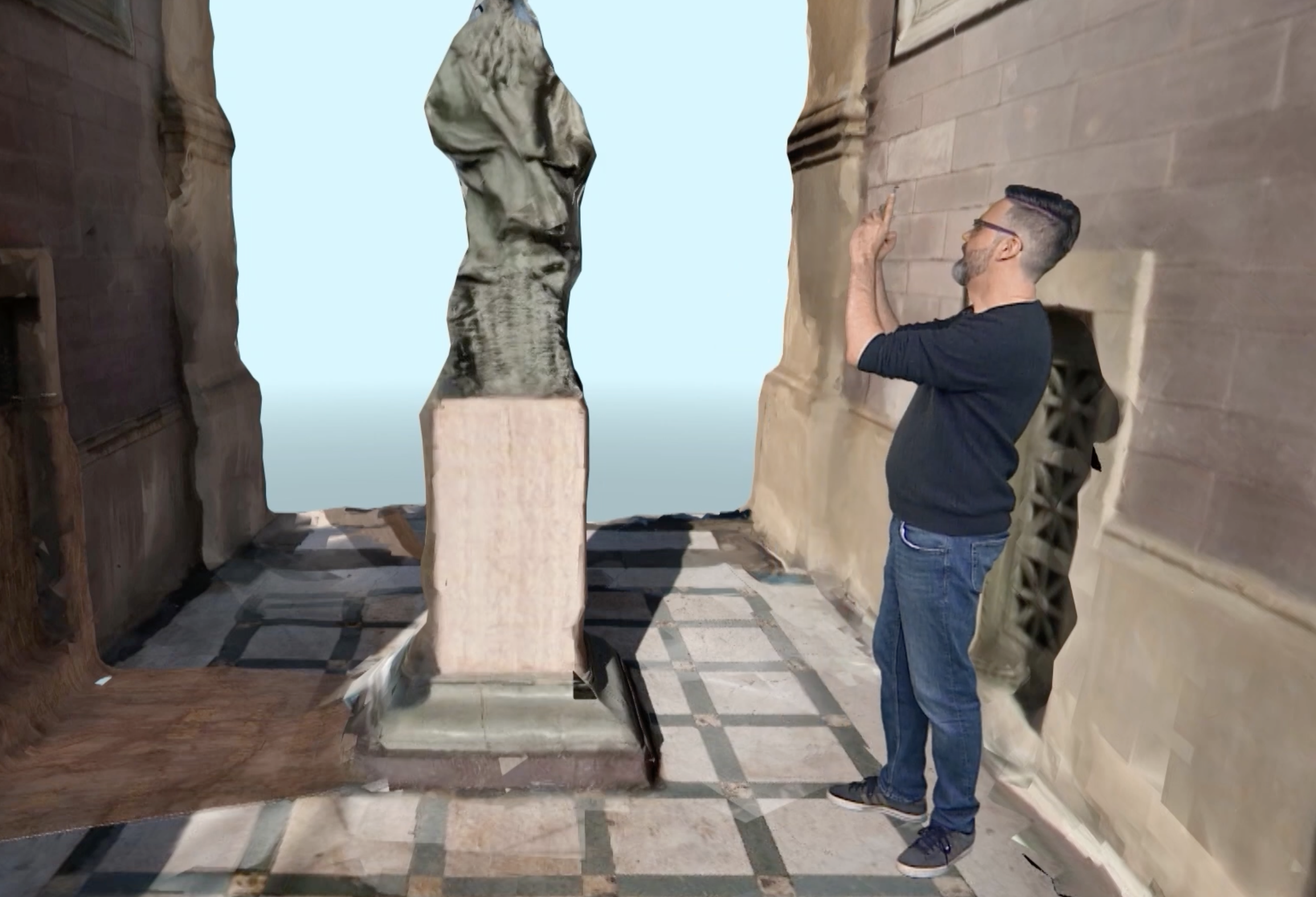
Figure 3: Exploring the possibilities of 3D productions in DW’s professional studio setup.
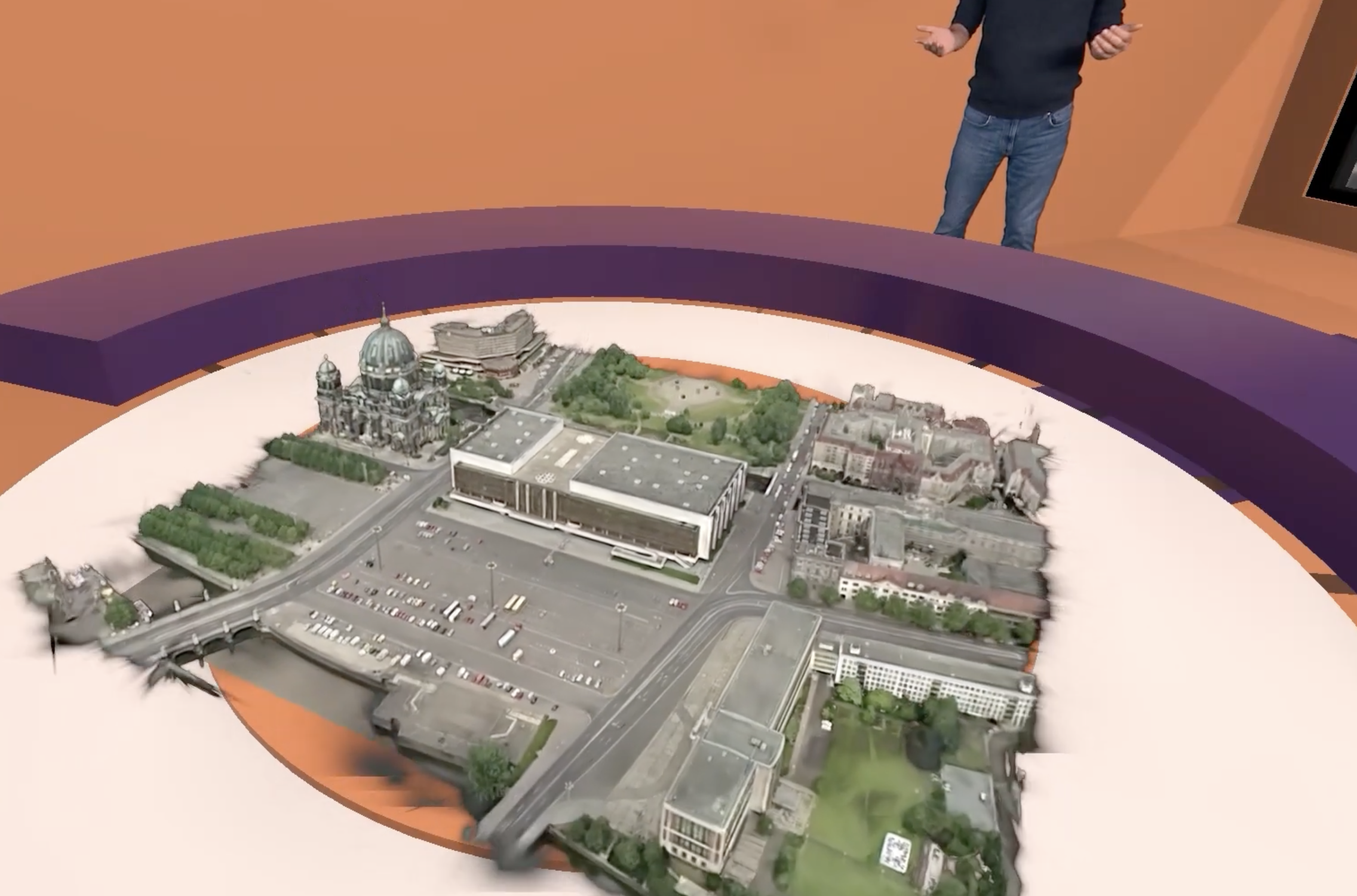
Figure 4: The XReco virtual studio in Unity, showing a 3D model of the Palace of the Republic.
But XReco is not only for TV studios and journalists. FFP, a media production SME from Vienna and XReco partner, has used our technologies to create assets for a MultiView music video.
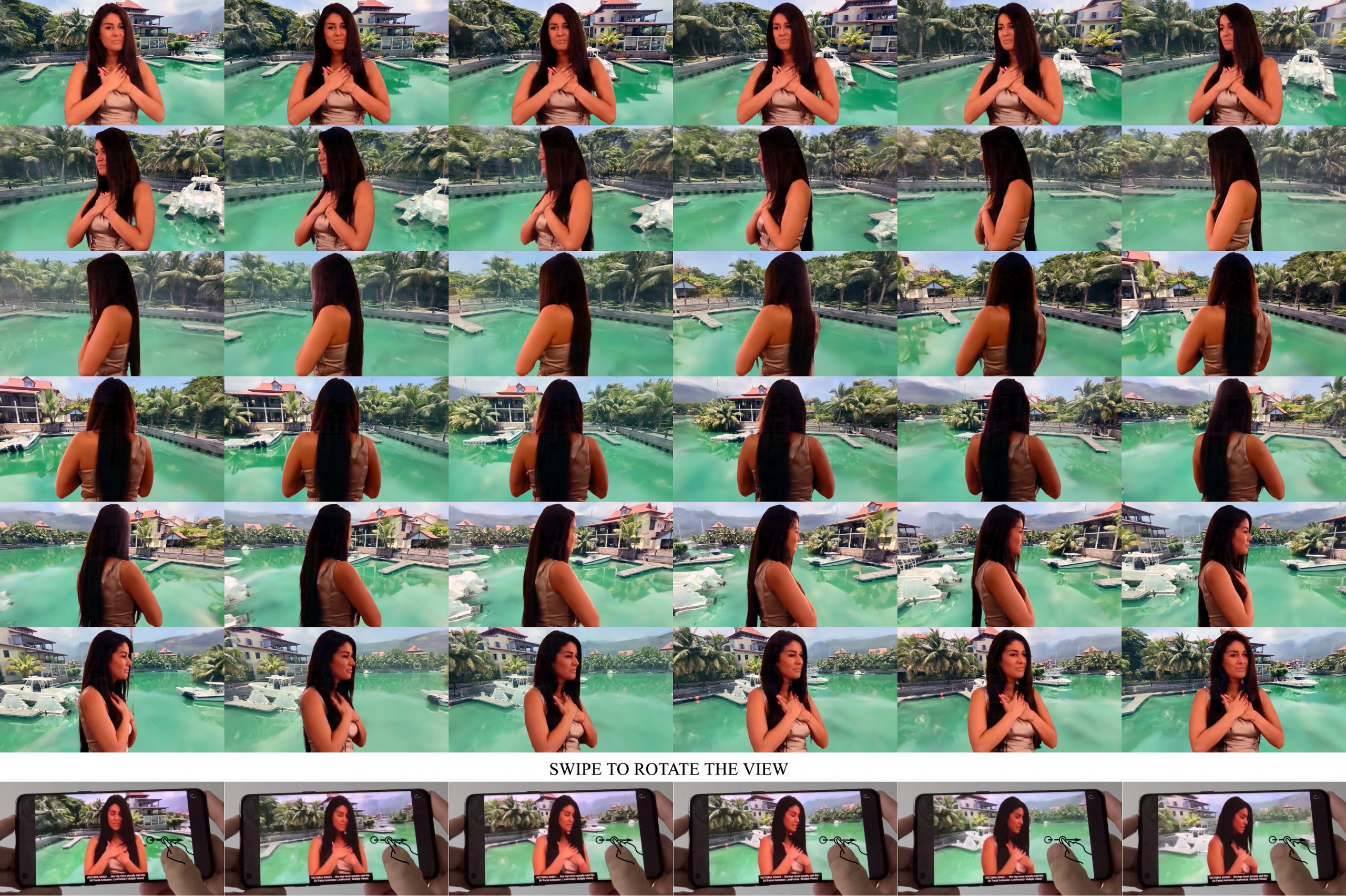
Figure 5: FFP’s MultiView video. Multiple views of the singer in the interactive music video (above). Android player in use, finger-swipe motion rotating the view (last row at the bottom).
Moreover, our partner and Berlin-based AR-company ZAUBAR has developed an interactive, location-based AR experience to demonstrate how XReco can enhance tourism and histotainment (a term blending history and entertainment). In collaboration with Atos, leading automotive supplier Continental provided an in-car entertainment app demonstrating the use of 3D and AR on a new kind of display. This immersive, in-car and on-site XR use case, combining 3D models of landmarks, a virtual tour guide and AR storytelling in Timișoara (Romania) is definitely worth checking out.
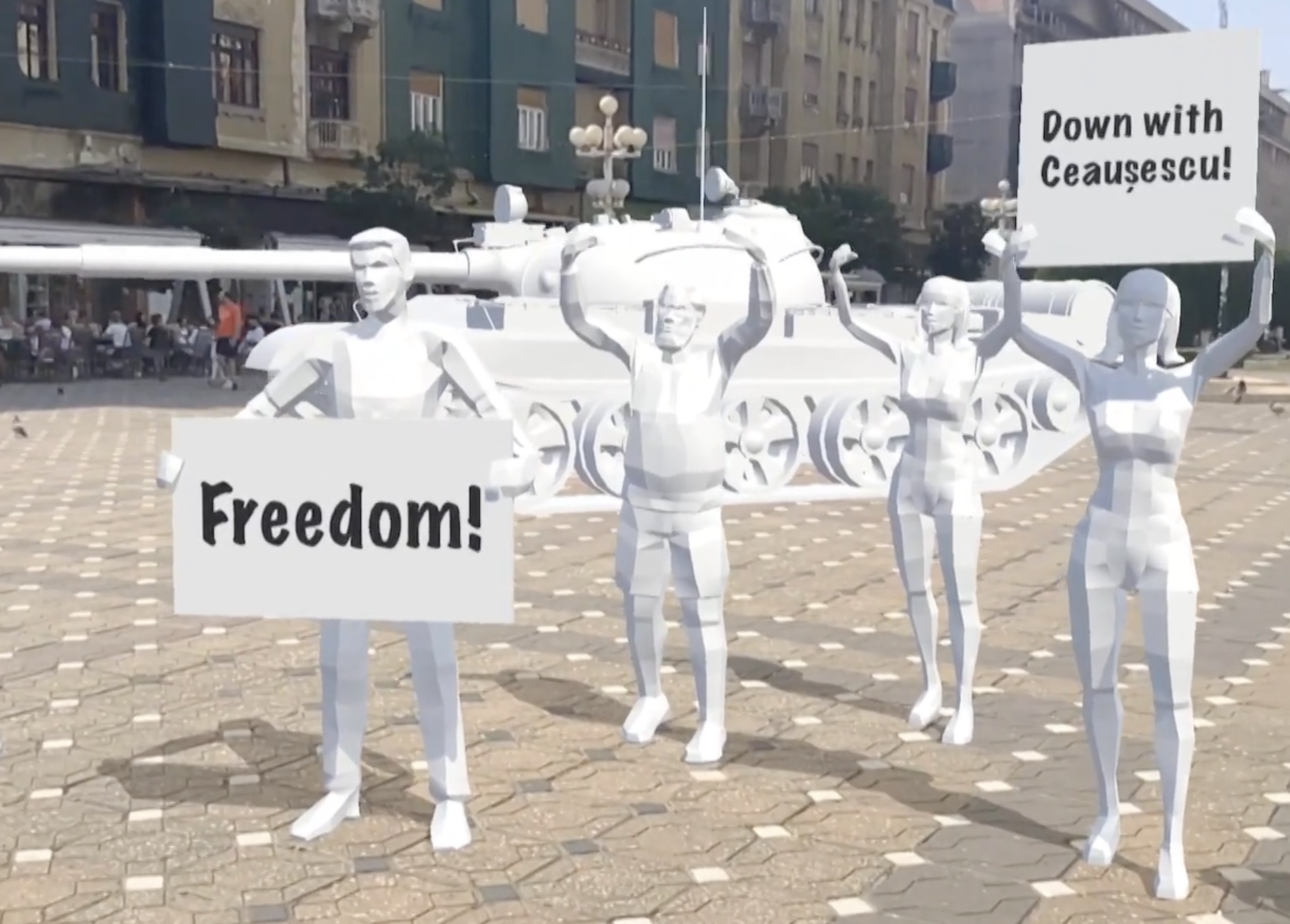
Figure 6: ZAUBAR’s end-user experience in AR: “Historic Timișoara”.
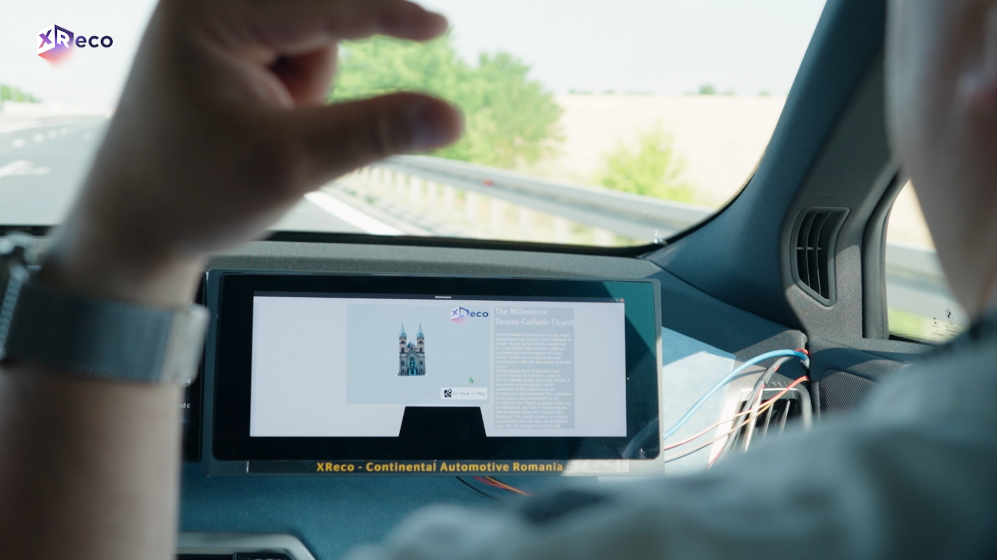
Figure 7: End-user viewing 3D model of Timișoara’s Millenium Church and textual description on Continental’s new in-car display.
Last Words
For 38 months, XReco’s technology experts and media creators have not only built software, but also solutions. Perhaps most importantly, they have built a community that creates solutions and empowers others. Early in the project, the logo designer described the vision of combining two seemingly contradictory domains — technology (symbolised by cold colours, mainly navy blue) and humans (represented by softer apricot and pink tones) — harmoniously. This branding concept proved very accurate in reflecting the project’s capabilities.
Thank you to everyone who was part of this journey. We couldn’t have asked for a better team.
Text by Nicolas Patz and Olivia Stracke.
Header Image by Jingda Chen on Unsplash.
Follow XReco!